



Should your next social campaign be filmed in a studio or your office? This guide compares video studio production with on-site filming, examining how each environment impacts visual consistency, sound clarity, production efficiency, and overall ad performance. Learn how controlled filming environments support creative testing, improve branded video content quality, and strengthen results in performance-driven social media advertising.
Key Takeaways:
- Choosing video studio production over office filming often leads to stronger visual consistency, clearer audio, and a more controlled creative process, supporting measurable campaign performance.
- A controlled filming environment enables faster setups and the efficient capture of multiple ad variations, making it easier to test and optimise performance-driven content.
- Higher-quality branded video content directly improves viewer retention and engagement, particularly in short-form paid advertising.
- While office filming can support authenticity for culture-led storytelling, common office video shooting challenges may limit flexibility and polish when the objective is conversion-focused advertising.
Introduction
When brands plan social media ads, filming in the office often feels like the obvious choice. The team is already there, everyone knows the space, and it avoids the extra planning that comes with booking a studio or moving equipment off-site.
Yet the setting does more than provide a backdrop. It quietly shapes how an ad looks, sounds, and performs once it reaches a mobile screen. Video studio production introduces a level of control that can influence visual consistency, production efficiency, and ultimately campaign results. To understand which approach truly delivers stronger outcomes, it is worth looking closely at how each environment affects the final output in practical, measurable terms.
Visual Consistency and Brand Presentation
Social ads move fast. Within a few seconds, viewers decide whether to stay or scroll. In that narrow window, clarity is not a bonus; it is essential.
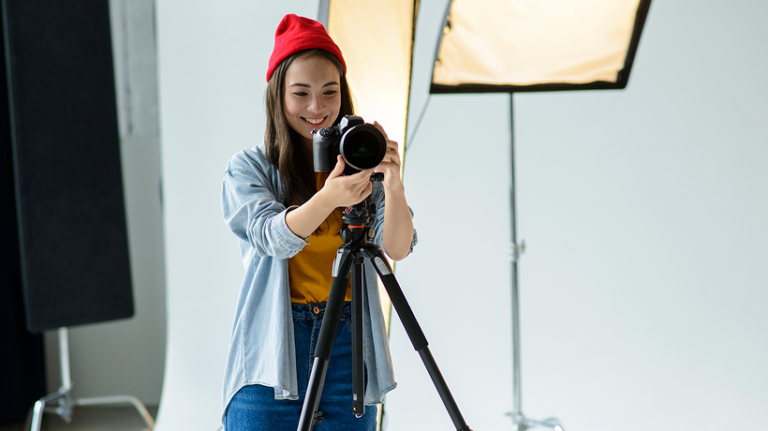
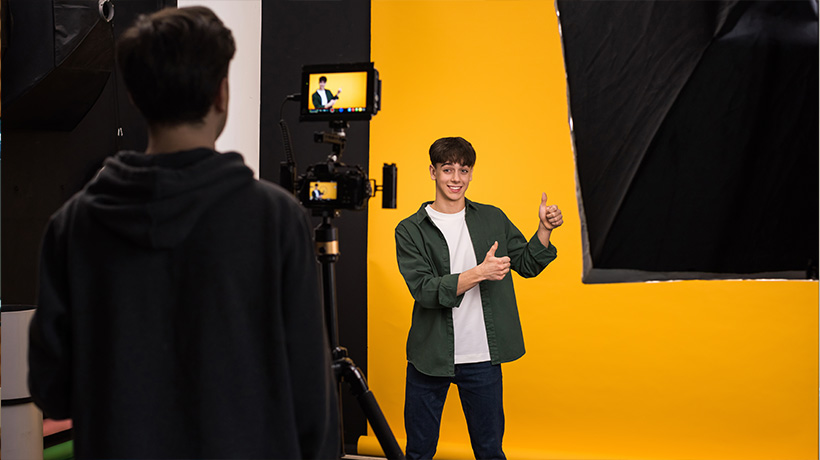
A studio environment is built for that clarity. Lighting is adjusted deliberately rather than left to overhead fixtures. Backgrounds are selected to support the message, not compete with it. Framing remains consistent across multiple takes, which helps the final edit feel cohesive. On a mobile screen, this control makes the subject easier to focus on and the message easier to absorb.
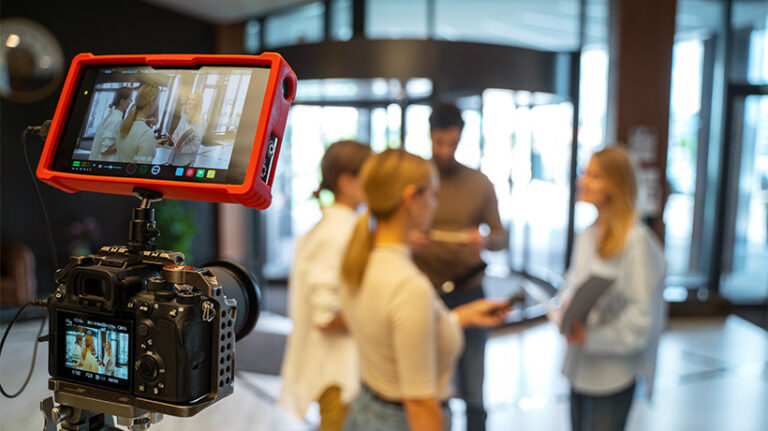
Office filming introduces more variables. Ceiling lights can cast uneven shadows. Daylight shifts throughout the shoot. Reflections from glass panels or screens may creep into the frame. Everyday objects in the background draw subtle attention away from the speaker or product. None of these issues feel dramatic in the moment, yet in short-form ads, they dilute impact.
For brands investing in video studio production, this additional control strengthens the overall quality of branded video content. Cleaner visuals streamline post-production and help campaigns look intentional and consistent across every platform where they appear.
Production Efficiency and Adaptability
Time on set is never just time. It affects budget, team energy, and how quickly a campaign can move from idea to launch.
Studios are designed for filming. Equipment is set up and ready. Lighting changes can be made quickly and precisely. Scenes shift without requiring the rearrangement of desks or pausing daily operations. This structure makes it possible to capture multiple ad variations in a single, focused session, which is especially valuable for performance-led campaigns.
Office filming often comes with practical hurdles. Meetings overrun. Background conversations bleed into audio. Space is tight, so camera angles are limited. Furniture needs to be moved and moved back again. These office video shooting challenges may seem manageable individually, yet together they slow production and break creative flow.
For campaigns where timing and iteration matter, a controlled filming environment reduces unnecessary friction. It allows teams to work with momentum, complete shoots more efficiently, and move into editing and optimisation without delay.
Creative Flexibility and Testing Potential
Paid social advertising rarely succeeds on a single version. Performance improves through testing. A stronger hook, a tighter close-up, and a faster cut within the first three seconds can measurably shift click-through rates and watch time.
Studios make that experimentation practical. Lighting styles can be adjusted quickly to create different moods. Camera angles can change without having to work around fixed furniture, while backgrounds can be swapped to support different messages within the same campaign. This flexibility is especially valuable in studio filming for social media ads, where capturing multiple variations in one shoot enables structured A/B testing later.
Office spaces tend to restrict that freedom. Walls are fixed. Natural light changes with the time of day. Camera movement is limited by available space. Creative ideas often need to be scaled back to fit the environment, turning strategic adjustments into compromises.
For teams invested in creative video production, studio settings offer the freedom to test deliberately while maintaining visual consistency across every variation produced.
Audio Clarity and Viewer Retention
Sound has a quiet but powerful impact on performance. Many viewers begin watching on mute, yet once they turn the volume on, audio quality immediately shapes how credible and engaging the content feels.
In a studio, echo is controlled, and background noise is minimised. Dialogue is recorded cleanly, without competing sounds. This clarity makes the message easier to follow and reduces the risk of viewers dropping off from having to strain to understand what is being said.
Office environments are less predictable. The low hum of air-conditioning, conversations in nearby corridors, lift chimes, or traffic outside can all creep into a recording. Retakes become more frequent, and small shifts in delivery affect pacing and flow.
An experienced social media video production company treats audio as a performance factor from the start. Clear sound is not simply technical polish. It supports retention, comprehension, and overall campaign effectiveness.
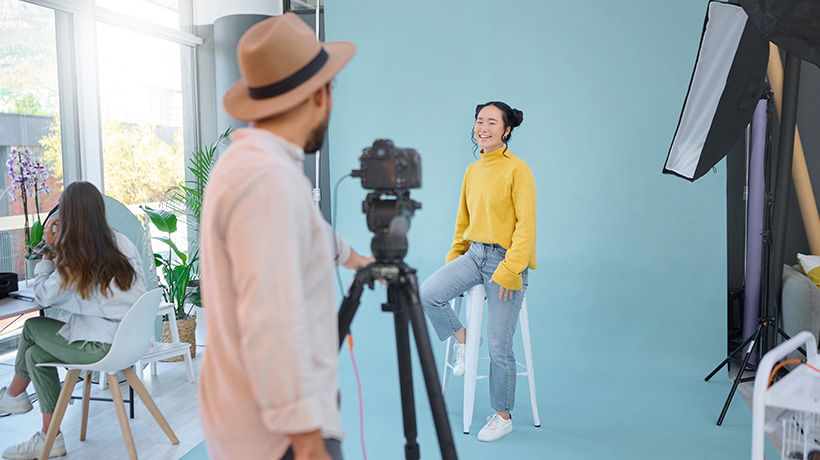
So what actually delivers better results?
Office filming certainly has its place. For culture-led content or behind-the-scenes storytelling, it can feel natural and relatable. When authenticity is the goal, the everyday setting can reinforce that tone.
However, for conversion-focused paid advertising, the advantages of video studio production become far more compelling. Greater environmental control supports consistent branding across multiple ads. Streamlined setups improve turnaround time. Creative flexibility allows structured testing rather than one-off execution. Clean audio strengthens viewer retention.
Taken together, these factors build a more stable foundation for campaigns that need to be optimised and scaled. The filming environment is not a minor production detail. It shapes outcomes more directly than many teams realise, which is why partnering with an experienced production house can make a measurable difference in performance-driven work.
Conclusion
Choosing between studio and office filming is not just a matter of convenience. It is a strategic decision that should reflect your campaign goals, timeline, and performance expectations.
When the objective is polished, performance-led advertising that can be tested, refined, and scaled with confidence, video studio production offers clear structural advantages. Greater control over lighting, sound, and setup creates a stronger foundation for measurable results.
At Vivid Snaps, we go beyond creating attractive visuals. We design controlled production environments that support optimisation, creative flexibility, and efficient execution from shoot day to final delivery.
If you are planning your next social media campaign and want a production approach built around performance, speak with Vivid Snaps. Let us help you plan a strategy that delivers clarity, consistency, and measurable results.