




Key Takeaways
- Modern viewers respond strongly to food content that includes stories about origins, people, and values rather than visuals alone.
- Featuring chefs, staff, and partners brings warmth and authenticity, helping audiences feel a deeper connection to the brand.
- Sustainability themes resonate with today’s diners and can strengthen trust when communicated through honest, visual storytelling.
- Utilising immersive formats and distributing videos across multiple platforms enhances engagement and expands overall reach.
Introduction
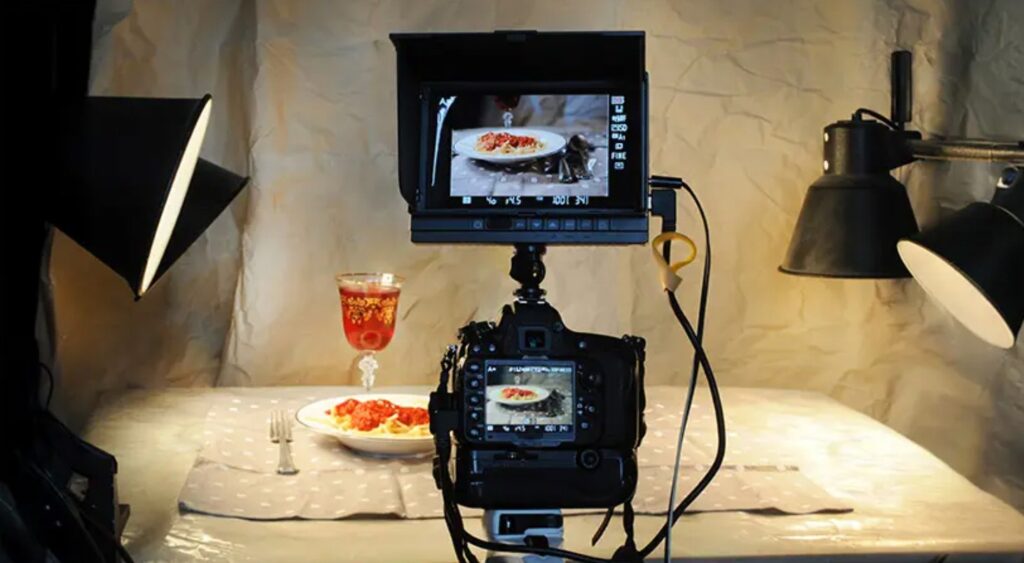
Food video marketing has become a crucial means for food and beverage brands to connect with their audience. Audiences are no longer satisfied with just polished shots of dishes. They look for stories with personality, emotion, and a sense of purpose. As F&B businesses across Singapore strive to stand out, the most compelling videos are those that blend strong visuals with narratives that reflect culture, values, and identity. Working with a skilled film production house helps brands create content that feels genuine and resonates on a deeper level.
This article takes a closer look at the latest trends shaping restaurant-focused video content and how thoughtful storytelling can strengthen your brand’s presence across various platforms.
Why Do Viewers Connect With Stories About Ingredient Origins?
Consumers today care deeply about where their food comes from, which is why stories about ingredient origins resonate so strongly. A well-crafted food video marketing piece can take viewers behind the scenes in ways that static images never could. These videos might follow a chef to a local farm, explore markets and suppliers, or include short interviews with producers who explain how ingredients are grown or harvested. With thoughtful direction, culinary video production showcases the care, skill, and pride that go into crafting every dish.
These origin-focused stories also strengthen a brand’s connection to its community. Showing the journey from source to plate builds transparency and helps audiences feel more in tune with the values that guide the restaurant’s choices.
How Do Chefs and Staff Serve as Powerful Storytellers in F&B Videos?
Food brands are recognising that the strongest connections happen when viewers meet the people behind the food. Featuring chefs, service teams, bartenders, or even delivery staff brings warmth and personality into the content, turning simple visuals into stories with heart. Instead of only watching a dish being plated, audiences get to see the passion, quirks, and creativity that shape each meal.
This people-centred approach works exceptionally well in restaurant-focused videos, where authentic moments make a lasting impression. A skilled videographer can capture unplanned conversations, from chefs talking about their favourite ingredients to teams sharing what motivates their daily work. These genuine glimpses into the kitchen build trust and help viewers feel more connected to the brand’s story.
How Is Sustainability Shaping Today’s Food Video Narratives?
Sustainability is now one of the most influential themes in food video marketing, especially as diners increasingly choose brands that align with their personal values. Video makes it much easier to show these efforts in action. Ethically sourced seafood, thoughtful packaging choices, or steps to minimise food waste become clearer and more relatable when presented through visual storytelling.
Focusing on eco-friendly practices also helps brands communicate their purpose with honesty. The goal is not to impress, but to show the everyday habits, systems, and collaborations that support responsible operations. This makes sustainability a meaningful anchor in food brand storytelling and strengthens the connection between the brand and its audience.
How Do Immersive Video Formats Enhance Engagement?
Immersive formats have taken culinary video production into a new realm, providing viewers with an experience that extends beyond simply watching food on screen. Brands are experimenting with techniques that evoke sight, sound, and texture in a vivid way. Slow-motion highlights the movement of cooking, while close-up macro shots capture details such as rising steam or the crisping of a pan. Some teams are even using 360-degree tours to let audiences explore a dining space as if they were already there.
These formats tend to hold attention for longer, especially on fast-moving social platforms. When used thoughtfully, sensory-driven visuals help viewers imagine the taste and atmosphere of the experience, creating a stronger emotional pull and lasting impression.
Why Is a Cross-Platform Video Strategy Essential for F&B Brands?
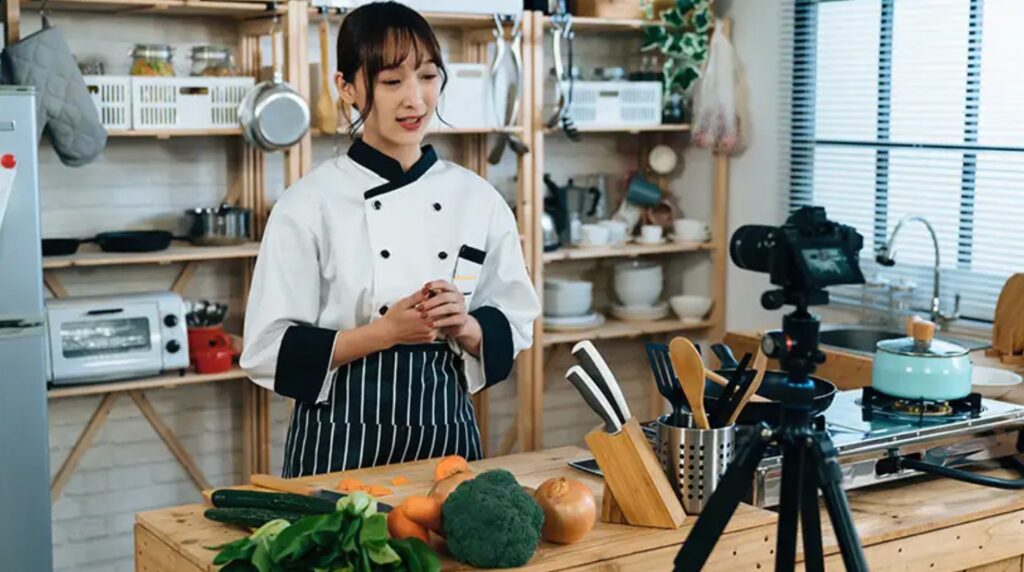
Reaching today’s diners means being present across different platforms, each with its own rhythm and viewing habits. Food video marketing works best when adapted to the strengths of each channel. Short, punchy clips tend to perform well on mobile-first platforms, while longer, story-driven pieces are better suited for YouTube and other long-form spaces.
Partnering with teams that provide social media video production services makes it easier to tailor content without losing the heart of the story. This approach ensures consistent messaging while ensuring every video feels right for the platform on which it appears. A well-planned cross-platform strategy helps brands expand their reach and stay recognisable to a diverse audience.
Conclusion
Food video marketing continues to evolve because audiences want more than beautifully presented dishes. They are drawn to stories about origins, people, and values, along with visuals that spark curiosity and emotion. When brands pair honest storytelling with immersive techniques and a thoughtful cross-platform approach, their content becomes more memorable and meaningful.
If your F&B brand is looking to create videos that feel authentic and engaging, Vivid Media can help shape a narrative that connects with your audience. Reach out to explore how your next story can be brought to life with clarity and intention.


