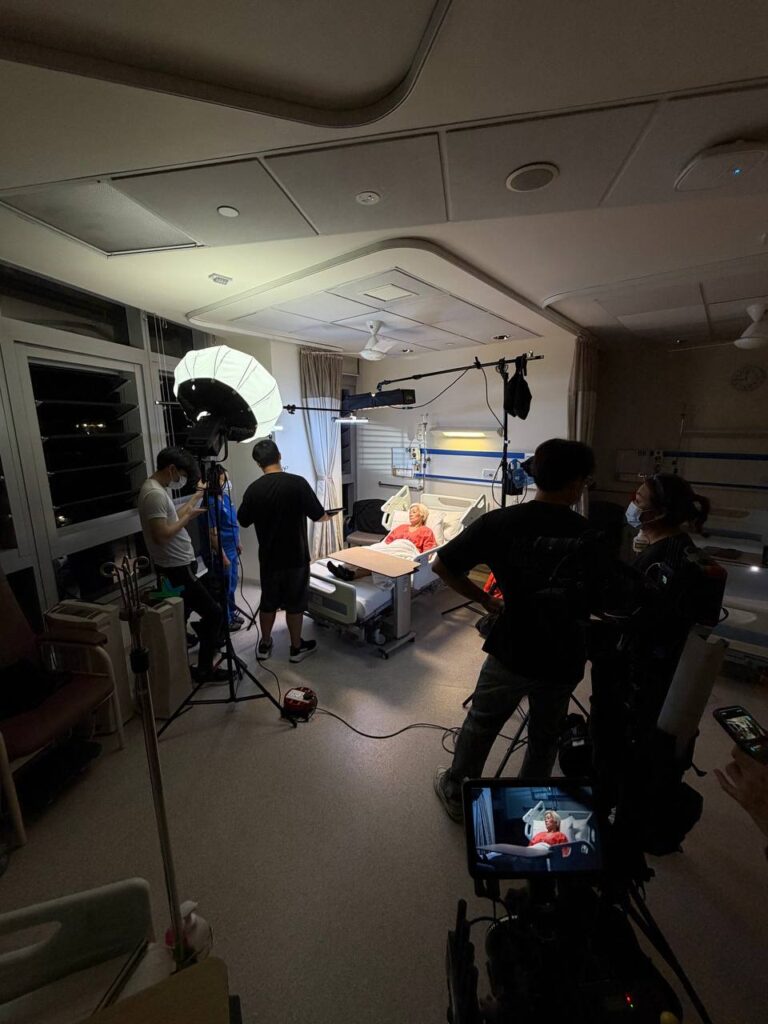




Video production for non-profit initiatives plays an important role in communicating social impact, raising awareness and encouraging community participation. For organisations championing inclusion, accessibility, diversity and social development, video provides a powerful way to showcase real experiences, highlight meaningful programmes and demonstrate how initiatives create positive change.
Video production for non-profit organisations goes beyond documenting activities. It involves translating an organisation’s mission into compelling visual stories that build trust, engage stakeholders and inspire action.
From capturing inclusive community programmes to producing beneficiary testimonials and campaign videos, a well-planned video strategy helps non-profit organisations communicate their work with clarity, authenticity and purpose.
1. Why Is Video Production Important for Non-Profit Organisations?
Non-profit organisations often work with diverse communities, including persons with disabilities, disadvantaged individuals, seniors, children and marginalised groups. Communicating their work effectively requires more than statistics and written reports. Video combines visuals, interviews, narration and real-life experiences to make complex social issues easier to understand.
Key benefits include:
- Raising public awareness: Communicate social causes, community challenges and inclusion initiatives to a wider audience.
- Demonstrating social impact: Show how programmes improve lives through real stories, activities and measurable outcomes.
- Building stakeholder trust: Give donors, sponsors, volunteers and partners a transparent view of the organisation’s work.
- Encouraging community participation: Motivate people to volunteer, contribute resources or participate in community programmes.
- Strengthening fundraising campaigns: Use authentic storytelling to help potential donors understand the importance of financial support.
- Improving digital engagement: Share accessible video content across websites, social media platforms, presentations and fundraising campaigns.
2. Why work with Vivid Snaps as your Non-Profit Corporate Video Production House in Singapore?
At the core of Vivid Snaps is a dedicated team of passionate full-time media professionals, including videographers, producers, directors, video editors and crew who always strive to perfect their craft for storytelling.
- Attractive, competitive prices offered for our services
- Strong track record with experience in non-profit narrative content production
- Cinematic approach towards capturing authentic stories for narrative-driven videos
- Consistency in quality and cohesiveness towards planning for production
By relying on our team, we would ensure consistent production standards, reliable scheduling and end-to-end accountability. We deliver compelling narratives that engage audiences, and also effectively convey the objectives of each initiative.
3. What Does Inclusive Video Production Involve?
It involves people from different backgrounds and abilities that are represented respectfully, accurately and meaningfully. For non-profit organisations, this means creating content that reflects the communities they serve without relying on stereotypes or portraying beneficiaries solely as recipients of assistance.
Important considerations include:
Authentic Representation
Feature individuals who are directly involved in the organisation’s initiatives. Allow beneficiaries, volunteers, staff and community partners to share their experiences in their own words. Authentic representation helps audiences understand the human impact behind each programme.
Accessibility in Video Content
Accessibility should be considered throughout the production process.
Recommended practices include:
- Adding accurate subtitles and closed captions.
- Providing transcripts for interviews and important video content.
- Using clear narration and understandable language.
- Maintaining sufficient colour contrast for on-screen text.
- Avoiding unnecessarily fast transitions or distracting visual effects.
- Considering audio descriptions where visual information is essential.
- Ensuring text remains readable on mobile devices.
These practices help make video content more accessible to audiences with different communication and accessibility needs.
Respectful Storytelling
Filming vulnerable individuals requires sensitivity, informed consent and careful consideration of privacy. Production teams should explain how footage will be used, obtain appropriate permission and avoid pressuring participants to disclose personal experiences. For children and adults who may require additional support when providing consent, appropriate consent and safeguarding procedures should be followed.
Diverse Community Representation
Inclusive initiatives should reflect the diversity of the communities they serve. Where relevant, videos can feature people across different age groups, abilities, cultural backgrounds and socioeconomic circumstances. Representation should be natural and relevant to the programme rather than included simply to fulfil a visual requirement.
4. Types of Video Production for Non-Profit Organisations
Different video formats serve different communication objectives. By selecting the right format, it helps organisations maximise the value of their production budget.
Corporate Videos
A corporate profile video introduces the organisation’s mission, vision, services and community impact.
It is particularly useful for:
- Introducing the organisation to potential donors and corporate partners.
- Communicating organisational values.
- Supporting sponsorship and partnership proposals.
- Establishing credibility through its work and achievements.
Community Initiative Videos
Community initiative videos document programmes, workshops, outreach activities and inclusive events. They help audiences understand how an organisation translates its mission into practical community support. This is inclusive of sports programmes, disability awareness campaigns, intergenerational activities and community engagement projects.
One such example produced by Vivid Snaps was a programme video for the Singapore Association of the Deaf, where it covers their running programme, The Little Hands Bilingual Bicultural Programme.
The video features B-rolls of children with hearing loss interacting with the teachers in various activities, engaging in therapy services, as well as the perspectives of parents about their positive experiences enrolling their children. Audiences can get to find out how this course benefits and aids in the development of communication within children with hearing loss in a bilingual manner, learning both the Sign Language and the English Language.
Beneficiary Testimonial Videos
Testimonial videos capture personal experiences from individuals who have participated in an organisation’s programmes.
These videos can communicate:
- Personal development and progress.
- Improved access to community resources.
- Increased confidence and independence.
- The value of inclusive programmes.
- Positive changes in everyday experiences.
Participants should retain control over what they share, with appropriate consent and safeguarding measures.
Volunteer and Staff Stories
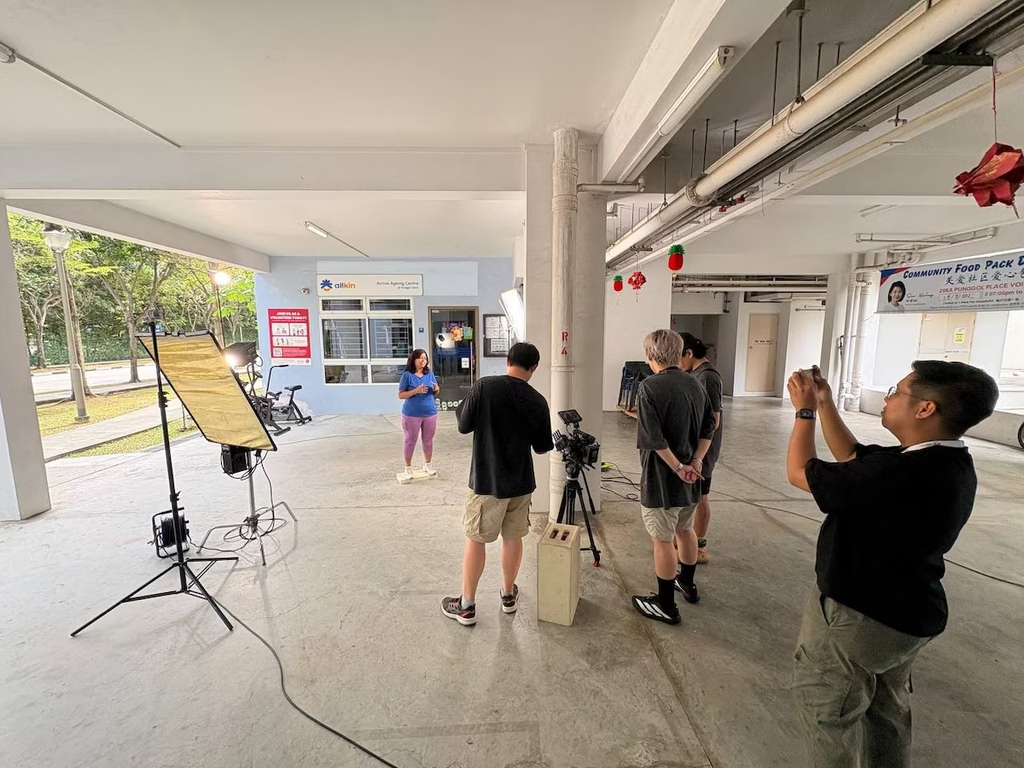
Volunteers and employees are essential to many non-profit initiatives. With interview-based videos, they can highlight their motivations, contributions and experiences, helping organisations attract new volunteers and strengthen community involvement.
One such example done by Vivid Snaps is a volunteer impact video for Allkin Singapore.
It features 3 volunteers sharing their experiences guiding different age groups in activities such as conducting physical exercise, handicraft work such as paper quilling, and even engaging in stories with youths. Audiences get to understand the interactive yet meaningful process behind working and bonding with people as a volunteer, and how it shapes the spirit of community between the volunteers and the individuals benefiting from the social services.
Fundraising and Campaign Videos
Fundraising videos communicate why financial support is needed and how contributions can make a difference.
Effective campaign videos typically combine:
- The social issue being addressed.
- The organisation’s response.
- Real programme experiences.
- Evidence of impact.
- A clear call to action.
Event Highlight Videos
Event highlight videos capture important moments from charity events, community celebrations, workshops and awareness campaigns.
They provide reusable content for post-event publicity, stakeholder updates, annual reports and future promotional campaigns.
5. Planning for the Shoot
Video production for non-profit organisations requires a structured and inclusive approach that balances the organisation’s objectives with the needs, experiences and dignity of beneficiaries and communities. Every stage should prioritise accessibility, privacy, informed consent and authentic representation.
Step 1: Understanding the Organisation’s Objectives and Community Needs
Understand the organisation’s mission, the purpose of the initiative and the communities it supports.
Key considerations:
- What is the video’s purpose: raising awareness, encouraging participation, fundraising or showcasing social impact?
- Who is the target audience?
- Which beneficiaries, communities or initiatives should be featured?
- What key messages and experiences should be shared?
- How can beneficiaries actively contribute their perspectives?
- Where will the video be published and how will it be used?
Clear objectives help shape a meaningful storyline that represents beneficiaries’ voices rather than speaking on their behalf.
Step 2: Inclusive Pre-Production Planning
Coordinate with the organisation and participants to ensure filming is accessible, comfortable and well-organised.
Key preparations include:
- Developing the creative concept, storyboard and interview questions.
- Identifying willing participants and consulting relevant community representatives.
- Conducting location assessments for accessibility, comfort and safety.
- Scheduling filming around participants’ availability and programme activities.
- Obtaining informed consent and explaining how footage will be used.
- Arranging mobility, communication and interpretation support where needed.
- Establishing privacy and safeguarding procedures, particularly when filming children or vulnerable individuals.
Allow participants sufficient time to understand the process, express their preferences and establish personal boundaries.
Step 3: Respectful Filming and Interview Production
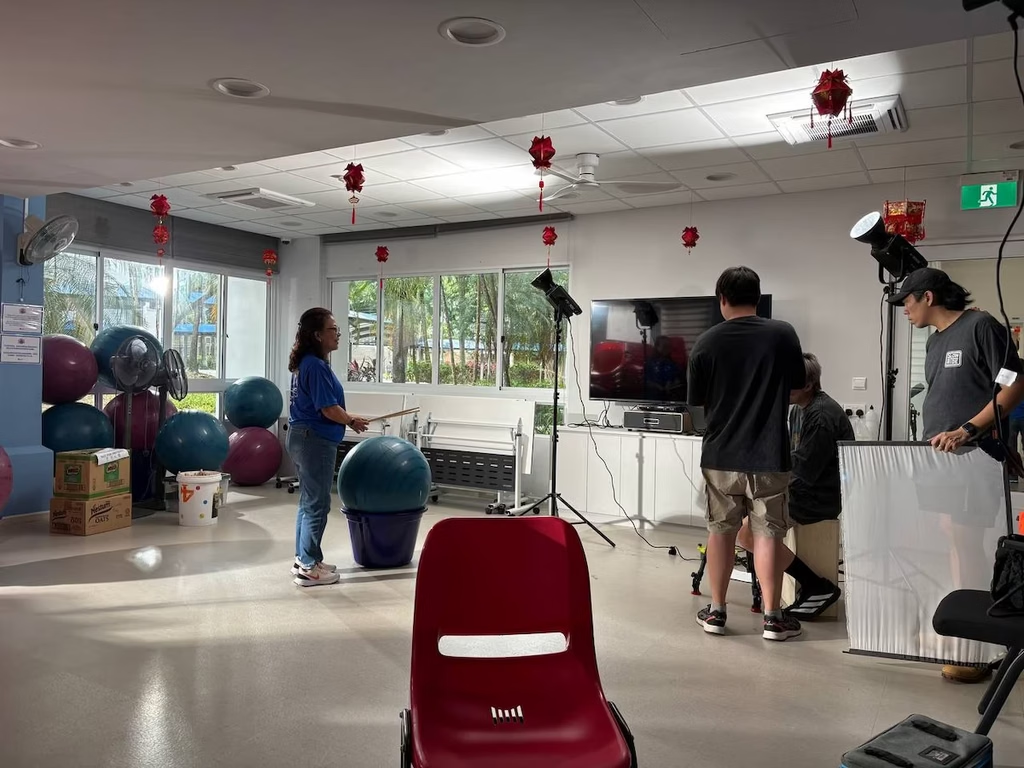
- Create a supportive filming environment where participants can share their experiences naturally and comfortably.
- Capture relevant interviews, beneficiary testimonials, community activities, volunteer interactions and programme highlights. Use professional camera, lighting and audio techniques while accommodating participants’ individual needs.
- Conduct interviews at a comfortable pace, provide breaks where necessary and avoid pressuring participants to disclose sensitive information or recreate emotional experiences.
- Focus on their individuality, strengths, contributions and aspirations rather than portraying them solely through their challenges or vulnerabilities.
The goal is to create meaningful stories that allow beneficiaries and communities to be seen, heard and represented with dignity.
6. Best Practices for Capturing Inclusive Initiatives
Producing an effective video about inclusion requires more than technical production expertise. The approach to storytelling is equally important.
Consider the following best practices:
| Best practice | Why it matters |
| Obtain informed consent | Protects participants’ rights and privacy |
| Use person-centred language | Avoids reinforcing stereotypes |
| Authentic representation of experiences | Builds credibility, trust and accuracy |
| Include accessible captions | Supports viewers with hearing difficulties |
| Use clear visual communication | Improves understanding and accessibility |
| Protect sensitive information | Reduces privacy and safeguarding risks |
| Consideration of accessibility needs | Maximises campaign reach |
Organisations should also avoid presenting individuals as inspirational examples solely because of their disabilities or personal circumstances. Stories should recognise their agency, contributions, abilities and perspectives.
6. How Can Non-Profit Organisations Maximise the Value of Their Videos?
A professionally produced video can serve multiple purposes across different platforms:
- Website: Showcase the organisation’s mission, programmes and impact.
- Social media: Share short-form videos featuring key messages, interviews and programme highlights, with captions for accessibility.
- Fundraising: Use beneficiary stories and programme footage to encourage donations.
- Corporate partnerships: Demonstrate programme objectives and outcomes to potential sponsors and CSR partners.
- Annual reports: Include video links or QR codes to highlight community initiatives and achievements.
- Community engagement: Screen videos at events, workshops and awareness campaigns to encourage participation.
Planning these applications before filming allows footage to be repurposed efficiently, maximising production value and reducing additional costs.
7. Choosing a Video Production Company for Non-Profit Projects
Choose a production partner who understands both the creative objectives and social sensitivities of non-profit projects.
Key considerations include:
- Relevant experience: Experience in corporate, community and social impact videos.
- Storytelling: Ability to communicate initiatives through authentic and meaningful stories.
- Production quality: Strong filming, sound recording and editing capabilities.
- Sensitivity and professionalism: Understanding of informed consent, privacy and respectful representation.
- Accessibility: Ability to incorporate subtitles, captions and other accessibility requirements.
- Budget transparency: Clear breakdown of production costs, revisions and deliverables.
- Versatility: Ability to deliver different formats for websites, social media and presentations.
The right production partner should balance professional quality with an inclusive and respectful approach to storytelling.
8. Conclusion
Video production helps non-profit organisations communicate social impact, promote inclusion and strengthen relationships with communities, donors and corporate partners.
Through authentic storytelling, accessible content and respectful representation, organisations can give beneficiaries a meaningful voice, showcase their initiatives and encourage greater community participation.
A well-planned video does more than document activities; it turns meaningful social initiatives into stories that inform, connect and inspire action.
FAQ
How much does video production for a non-profit organisation cost in Singapore?
Video production services in Singapore typically cost between S$4,000 and S$25,000 for small to mid-sized non-profit projects, depending on the production requirements, filming duration, crew size and editing complexity.
How long does it take to produce a non-profit organisation video?
A typical video production project may take approximately four to eight weeks, depending on the complexity of the project. This includes planning, filming, editing, feedback and final delivery. Projects involving multiple participants, locations or approval stages may require additional time.
Should non-profit organisation videos include subtitles?
Yes. Subtitles and captions improve accessibility for viewers who are deaf or hard of hearing, people watching without sound and audiences who may prefer reading along. Accurate captions also improve the viewing experience across social media and digital platforms.
What should a non-profit organisation look for in a video production company?
Look for a production company with strong storytelling capabilities, relevant portfolio experience, professional filming and editing expertise, transparent pricing and an understanding of inclusive communication. Experience handling sensitive interviews, participant consent and accessibility requirements is particularly valuable.
How can video production help demonstrate social impact?
Videos can document programme activities, capture participant experiences, feature volunteer contributions and communicate measurable outcomes. Combining real-life stories with verified programme statistics helps stakeholders understand both the human and organisational impact of an initiative.
Vivid Snaps’s Non-profit Corporate Video Production – Contact Information
- Email: contact@vividsnaps.com
- Office Line: +65 9482 5300
- Producers (WhatsApp Preferred):
- +65 8886 2300
- +65 8842 7500
- +65 8830 7500
- +65 8081 5700
- +65 8611 5911
- Studio Address: 30 Kallang Place, #07-24,Singapore 339159
- Operating Hours: Monday – Friday, 10:00 AM – 5:00 PM (Closed on Weekends & Public Holidays)
- Website: www.vividsnaps.com