




In today’s digital landscape, audiences are becoming more skeptical of traditional advertising. Highly polished commercials with direct sales messaging are gradually losing effectiveness. In their place, brand documentaries are emerging as a more credible and impactful communication tool in B2B marketing.
Rather than promoting product features, a brand documentary focuses on the story behind the business. It answers a deeper question: how the company was built, what challenges it faced, and what values drive its growth.
What Is a Brand Documentary?
A brand documentary is a long-form video that highlights a company’s origin, mission, and people through authentic storytelling. Unlike traditional advertisements, it prioritises transparency, real experiences, and emotional connection.
Brand Documentary vs. Commercial Video
Authentic Storytelling vs. Scripted Promotion
Traditional commercials often rely on actors, scripted messaging, and controlled visuals. In contrast, brand documentaries feature real individuals such as founders, employees, and clients. They present genuine experiences, including challenges and failures, which makes the content more relatable and trustworthy
Long-Term Brand Trust vs. Short-Term Sales
Commercial videos are typically designed to generate immediate conversions. Brand documentaries focus on long-term brand positioning. They help build credibility, strengthen reputation, and support relationship-building with stakeholders and partners.

Key Elements of an Effective Brand Documentary
A Human-Centric Journey and Key Challenges
A strong brand documentary is grounded in a story that feels real and relatable. This often includes moments of difficulty such as financial pressure, market rejection, or key turning points that shaped the business. Whether the focus is on the founder, an employee, or a customer, these challenges add emotional depth. They help the audience understand not just what the brand does, but what it has been through to get there.
The Impact of Authentic Interviews
Complex visuals are not always necessary to hold attention. In many cases, a simple and honest interview can be more powerful. When key figures speak openly, without sounding overly scripted, it creates a sense of sincerity that audiences can easily connect with. This direct, human approach allows viewers to engage with real experiences and perspectives in a more meaningful way.
Supporting Footage to Reinforce the Story
Visual storytelling plays an important role in making the narrative more credible. Instead of relying only on spoken words, supporting footage such as day-to-day operations, detailed production processes, or team interactions helps bring the story to life. It allows the audience to see the work behind the brand, making the message feel more concrete and trustworthy.
Popular Types of Brand Documentaries
The Heritage / Origin Story
This format focuses on the history, struggles, and long-term journey of a company. It highlights how the business was built over time and the values that shaped its growth. It is especially suitable for established brands marking milestones or family-run businesses transitioning to the next generation.
The Craftsmanship / Process Film
This approach shifts the focus from individuals to the product itself. It takes viewers behind the scenes to reveal the level of detail, precision, and expertise involved in production. It works particularly well for manufacturing, technology, or premium brands that want to reinforce quality and justify their positioning.
The Customer Impact Documentary
In this format, the customer takes centre stage. The story focuses on how a product or service contributes to customer success, whether through improved business performance or smoother day to day operations. By showing outcomes through real customer experiences, the documentary becomes more relatable and credible, which is especially important in B2B where trust is key.
The Culture / Employer Branding Film
This type of documentary focuses on the people within the organisation. By showcasing team dynamics, workplace environment, and shared values, it helps communicate what it is like to be part of the company. It is commonly used to support recruitment efforts and strengthen employer branding.
The CSR (Corporate Social Responsibility) Film
This format highlights a company’s broader impact beyond business performance. It focuses on initiatives related to sustainability, community engagement, or social responsibility. By documenting these efforts, the film communicates a sense of purpose and demonstrates that the brand is committed to contributing
Case Study: Analysing the ELM Brand Documentary
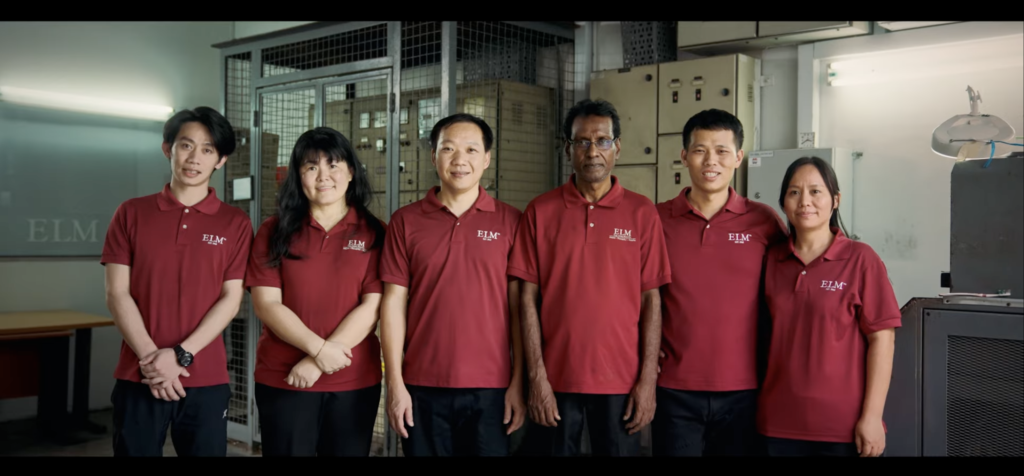
The ELM brand documentary, produced by Vivid Media, demonstrates an effective approach to telling a legacy story. It combines a structured interview format with carefully selected visuals to communicate credibility and brand values. The process can be understood across three key stages of production.
Pre-Production: Defining the Core Narrative
Every effective documentary starts with clarity on what story needs to be told. For ELM, the goal was not to showcase achievements directly, but to uncover the thinking and values of its founders, Mdm. Chua Tee and Mr. Chua Kang Leong, behind those achievements.
At the centre of the film is a clear theme: the Chua family’s integrity shaped through years of challenges. This gives the story direction and emotional weight. The team also spent time understanding their personal background, specifically focusing on Mdm. Chua Tee’s early working years starting at age 14 to building a respected company alongside her brother. This human journey became the backbone of the film, allowing everything else to feel grounded and consistent rather than fragmented.
Production: Filming Approach and Techniques
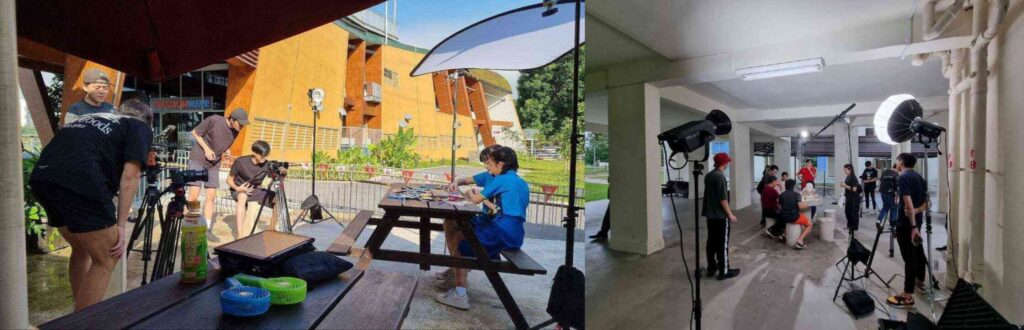
Once the narrative was defined, the production focused on creating a visual style that felt natural, credible, and easy to connect with.
The interviews were filmed using medium shots and close-ups at eye level. This keeps the focus on the founders’ expressions and makes the conversation feel more personal. The use of a soft background blur helps remove distractions and subtly guides the viewer’s attention.
Lighting was kept soft and warm, giving the founders a look that feels both approachable and established. A gentle backlight adds depth without making the scene feel overly polished.
To avoid the interviews feeling static, supporting footage was carefully layered in. Shots of the workspace, the team, and the production process bring Mdm. Chua Tee’s stories of hard work to life. Instead of just hearing about the company’s values, the audience can see the legacy they built in action.
Post-Production: Structuring and Refining the Story
The final impact of the film is shaped in the editing stage, where everything is brought together into a cohesive narrative.
The final impact of the film is shaped in the editing stage, where everything is brought together into a cohesive narrative.
The pacing is kept steady and unhurried. Moments of pause are intentionally left in, especially when Mdm. Chua Tee reflects on emotional memories of the past, allowing the audience to absorb what is being said and feel the weight of their story. Archival photos from their early days are introduced with subtle movement, helping connect the past with the present without breaking the visual flow. This adds depth while keeping the storytelling smooth.
The sound design remains minimal throughout. Music is used lightly, so it supports the mood without overpowering it. This keeps the focus on the founders’ voices, which remain the most important element of the film.
Overall, the ELM documentary shows that effective storytelling does not rely on complex techniques. With a clear narrative, thoughtful visuals, and careful editing, a brand documentary can communicate trust and legacy in a way that feels both authentic and engaging.
A Brand Documentary Starts with the Story Behind the Business
A strong brand documentary in B2B marketing does not come from scripts or visuals alone. It starts with real moments, the decisions you made, the challenges you worked through, and the values that still guide your business today.
When these stories are captured properly in a brand documentary, they do more than just communicate. They build trust with partners, give context to your growth, and make your brand easier to believe in.
If you have a story that deserves to be told, this is the right time to document it.
At Vivid Media, we work closely with you to shape a brand documentary that reflects your journey clearly and honestly, so it continues to create value long after it is released.


