




For Environment, Health, and Safety (EHS) Managers and COOs in Singapore’s high-risk sectors (e.g. Marine, Construction, Manufacturing) there is a recurring nightmare. You have a comprehensive 50-page Risk Assessment (RA) and Safe Work Procedure (SWP) manual. You have legally mandated morning toolbox briefings. Yet, accidents still happen. That is where industrial safety videos Singapore come in.
When the Ministry of Manpower (MOM) investigates, the root cause is rarely a lack of documentation. It is the lack of comprehension.
In Singapore’s polyglot industrial workforce, relying on text-based manuals presents a significant operational risk. When a worker is fatigued, speaks English as a second language, or is under pressure to meet a quota, comprehending dense text becomes increasingly difficult. They skim it, sign the attendance sheet, and walk onto the site with a false sense of security.
To fix this, we must stop viewing safety training as a “compliance checkbox” and start viewing it as a cognitive challenge. This article explores the limitations of traditional text manuals, the science of visual retention, and how professional industrial safety videos in Singapore transforms liability into asset protection.
Note: Some content in this article may be enhanced or paraphrased by using AI writer software.
The Vivid Media Team
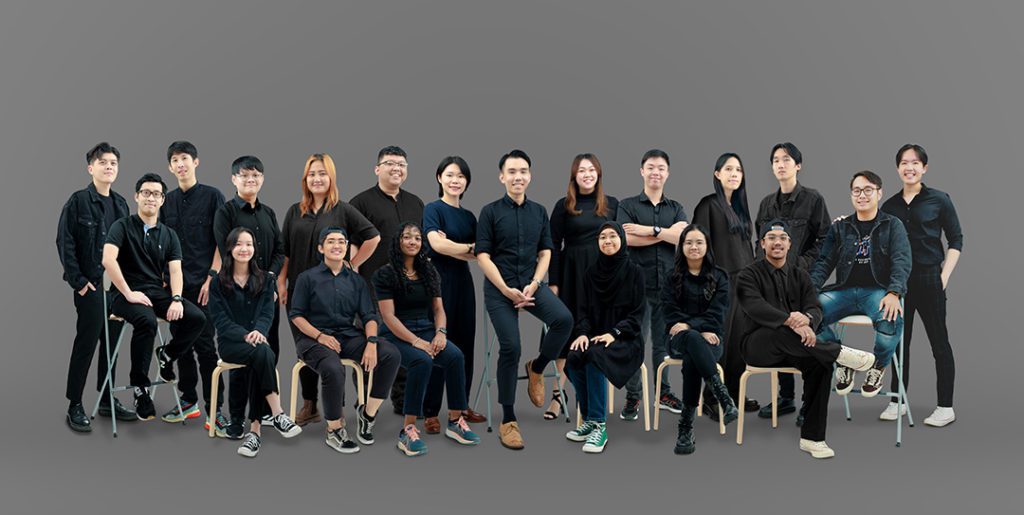
Our team comprises experienced media professionals who specialise in all aspects of video production, from pre-production to post-production. With a lineup that includes videographers, video editors, a director, project coordinators, and a graphic designer, we deliver end-to-end solutions. Our expertise lies in serving corporate clients, with a portfolio covering internal communication videos, brand stories, virtual and hybrid events, and corporate photography.
Please Note: Some videos referenced in this blog article are not produced by Vivid Media. The following videos are sourced from publicly available websites, such as YouTube.
The Science Behind Industrial Safety Videos
The reason your workers ignore safety manuals is not laziness; it is biology.
Cognitive Load Theory, a framework in instructional design, posits that the human working memory has a strictly limited capacity. When you hand a worker a dense text manual, you are imposing a high “extraneous cognitive load”. Their brain must burn energy just to decode the text and visualise the scenario, leaving almost no mental energy to actually learn the safety protocol.
Data shows the stark difference in retention channels:
- Text-Based Retention: The human brain retains approximately 10% of what it reads in text format.
- Video-Based Retention: The retention rate jumps to 95% when the same information is consumed via video.
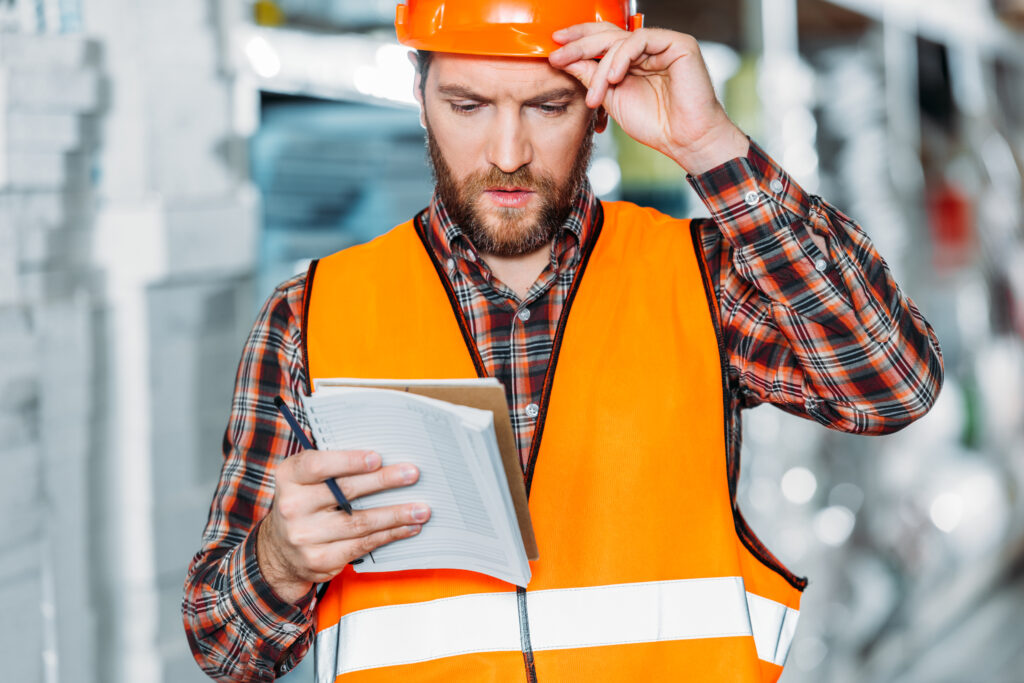
The “Dual Channel” Solution in Industrial Safety Videos
An industrial safety videos works because it utilises “Dual Coding”. It feeds information through both the visual and auditory channels simultaneously, which bypasses the bottleneck of working memory.
In the context of industrial safety videos in Singapore, this means a worker does not have to imagine the safe distance from a crane’s counterweight; they see the red zone overlaid on the screen while hearing the warning signal. The comprehension is instant, and more importantly, it is involuntary.
Visualising the Invisible: The Role of 3D Animation
Some of the deadliest risks in Singapore’s industrial sector are invisible to the naked eye until it is too late.
- Internal Pressure: A boiler building up critical pressure.
- Chemical Reactions: Invisible gas leaks in a confined space.
- Structural Stress: The internal load bearing of scaffolding
You cannot film these with a camera without putting a cameraman in danger. This is where the limitation of “standard” video production ends and where industrial safety videos using 3D Visualisation begins.
The “X-Ray” Technique for Industrial Safety Videos
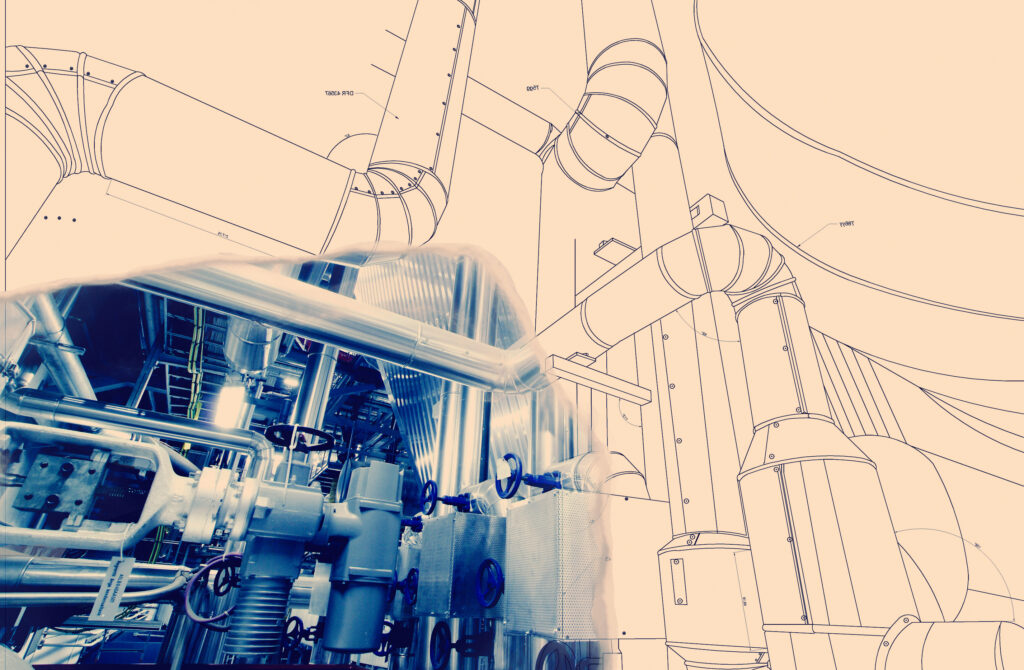
By using 3D motion graphics, we can create an “X-Ray” view of your machinery. We can strip away the outer casing of a turbine to show the exact internal component that fails if maintenance is skipped.
This technique allows workers to see the consequence of their actions. Instead of being told “do not overheat the machine”, they watch a realistic 3D simulation of the internal components melting and the subsequent failure.
This moves training from “memorisation” (remembering a rule) to “simulation” (experiencing a result). It is a powerful tool for industries dealing with high-voltage electrical work or hazardous chemicals where “learning by doing” is fatal.
The “Audit” Speed: Video as a Legal Asset
In the unfortunate event of a workplace injury, the first thing investigators will ask for is proof of training.
Paper records are necessary but weak. A signature on a form proves a worker was present, but it does not prove they understood the training. However, a standardised video training log is a robust legal defense.
Consistency is Key
One of the hidden risks of manual training is the “Trainer Variable”.
- Session A (8:00 AM): The Safety Officer is fresh, energetic, and covers all 10 points.
- Session B (4:00 PM): The Safety Officer is tired, rushes the briefing, and skips 2 minor points.
If an accident happens to a worker from Session B, you have a liability gap.
Professional industrial safety videos in Singapore eliminates this variable. This video plays the exact same message, with the exact same visual cues, in the exact same dialects, every single time. It provides a consistent “Source of Truth” that holds up under audit scrutiny.
The Cost of Inaction vs. Production
The hesitation for many COOs is the upfront cost of industrial safety videos in Singapore.
However, this must be weighed against the “Cost of Inaction”.
- Stop Work Order (SWO): A single SWO from MOM can halt your project for weeks, costing hundreds of thousands in delays.
- The “Re-Training” Loop: How many work-hours are wasted repeating the same toolbox briefing because staff did not understand it the first time?
Video is a “Write Once, Read Many” asset. You pay for the production once, and it trains your workforce for years. It scales infinitely without any additional cost.
The Vivid Media Approach: Production with a Safety Mindset
We understand that for industrial projects, the priority is often clarity and adherence to protocol rather than just cinematic flair.
At Vivid Media, we aim to be a partner that understands the industrial environment. We are bizSAFE 3 certified, which reflects our commitment to our own internal safety standards. This certification facilitates our ability to meet the entry and safety requirements often needed to operate within shipyards, refineries, and active construction zones.
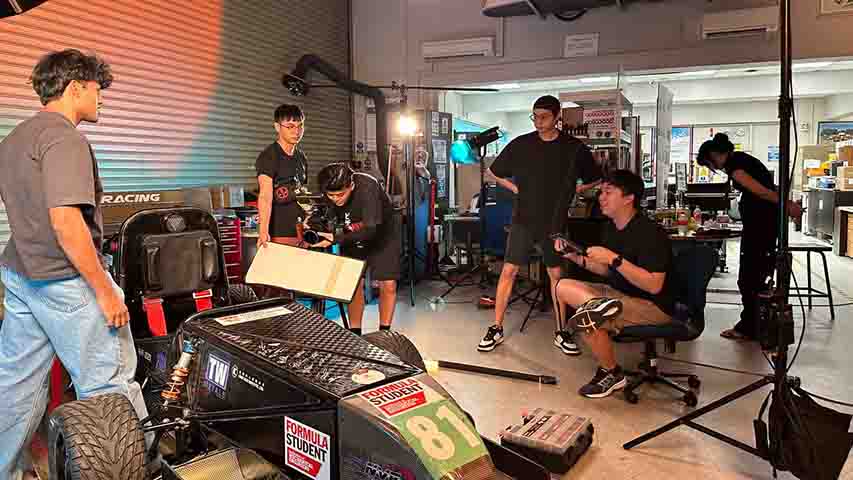
We do not just “point and shoot”. We act as your technical partner to translate your Safe Work Procedures (SWP) into your visual assets.
- The “Compliance Cut”: We know that a safety video must be technically accurate. If a worker in the background of the shot is wearing their helmet incorrectly, we flag it. We ensure that every frame of your video reinforces the correct behaviour, rather than accidentally documenting a violation.
- Multi-Lingual Subtitling: Singapore’s workforce is diverse. We standardise the production of subtitles in Bengali, Mandarin, Tamil, and Thai to ensure your message crosses the language barrier effectively.
- The “Mobile-First” Module: We can break down your 50-page manual into 2-minute “Micro-Learning” modules. These can be sent to workers’ phones via WhatsApp or your LMS, allowing for “Just-in-Time” training right before they perform a high-risk task.
Conclusion: Safety is Visual
In 2025, handing a worker a text manual is no longer just inefficient; it is a liability.
To truly protect your workforce and your company, you must visualise the invisible. You must speak the language of the brain, which is visual, not textual.
Ready to modernise your safety training? Contact Vivid Media to discuss how we can turn your Risk Assessments into high-retention visual assets.
Frequently Asked Questions (FAQs)
Q1: How does industrial safety videos improve compliance in Singapore?
Video training utilises “Dual Coding” (visual and auditory processing), which increases retention rates to 95% compared to just 10% for text manuals. In Singapore’s multi-lingual workforce, videos with translated subtitles ensure that critical Safe Work Procedures (SWP) are understood by all workers, regardless of their literacy level in English.
Q2: Can Vivid Media film in high-risk zones like Jurong Island or shipyards?
Yes. Vivid Media is bizSAFE 3 certified, which facilitates our ability to meet the safety prerequisites often required for entry into such facilities. Our crew is accustomed to working in specialised environments, such as shipyards and laboratories, and we work under the supervision of your on-site safety officers to ensure site-specific protocols are respected during filming.
Q3: What if the hazard is internal (e.g., inside a machine) and cannot be filmed?
For invisible or internal hazards, we use 3D Visualisation and Motion Graphics. This allows us to create an “X-Ray” view of machinery to simulate failures, such as internal pressure build-ups or chemical reactions, without putting any staff or equipment at risk.
Q4: How long does it take to produce industrial safety videos?
Typical industrial safety videos takes 4 to 6 weeks from concept to final delivery. This includes the site recce, scriptwriting (to match your RA/SWP), filming, and post-production. We recommend planning this well in advance of new project launches or audit cycles.
Q5: Will the filming process disrupt our daily site operations?
We aim to keep operational disruption to a minimum. During the pre-production phase, we plan the shoot schedule around your team’s breaks or shift changes where possible. For active production lines, we can utilize telephoto lenses to capture footage from a safe distance, allowing your work to continue while we capture the necessary visuals.
Q6: Can I provide existing footage for you to stitch into new industrial safety videos?
Yes, we can often work with your existing assets. However, we typically recommend a technical review first to check if the resolution and frame rate match current standards. If there are gaps in the narrative or if the existing footage is outdated, some new filming or motion graphics might be needed to ensure visual continuity.
Q7: How can a Green Screen studio be used for industrial safety videos?
Our studio at Kallang Place is equipped with green screen capabilities. This can be useful for simulating environments that might be logistically challenging or too noisy to film in real life. We can film your trainer in the controlled environment of our studio and composite them into a digital background relevant to the site.
Q8: When is animation a suitable option compared to live-action filming?
Motion graphics and 2D animation are often effective options when you need to explain concepts that are invisible to the naked eye, such as gas flow or biological processes. It is also a useful format for depicting accident scenarios conceptually, allowing you to show the consequences of unsafe acts without needing to stage a dangerous re-enactment.
Vivid Media Video Production Team
We hope this article has given you useful insights into media production. Our team is ready to collaborate with you, bringing together our combined expertise to meet your media production needs. Our key specialisations include:
- Corporate video production
- Live streaming for virtual and hybrid events
- Corporate photography
- Event photography and videography
To learn more about our team and what we do, visit our About Us page.
Get a Price Quotation
Some projects are straight-forward while others can be complex, drop us a message with your project requirements. Our project coordinator will get in touch with you to provide a price quotation.


